
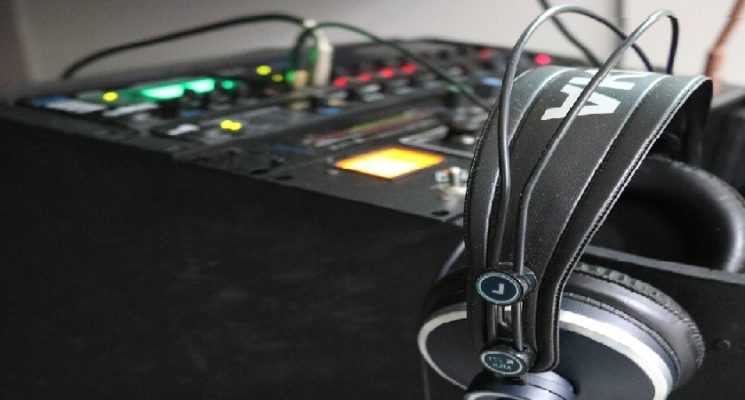
Choosing the Perfect Audio Interface for You

Choosing the Perfect Audio Interface for You post thumbnail image

From the invention of the phonograph by Thomas Edison in 1877 to compact audio cassette tape recorders in the mid20th century, to digital compact disk recorders in the ‘80s until the contemporary hard disk recording; sound recording has magnificently revolutionized into what it is today. With the advent of computers with built-in sound cards, sound recording was never the same again. But until the invention of audio interface, was only the time when sound recording was perfected.

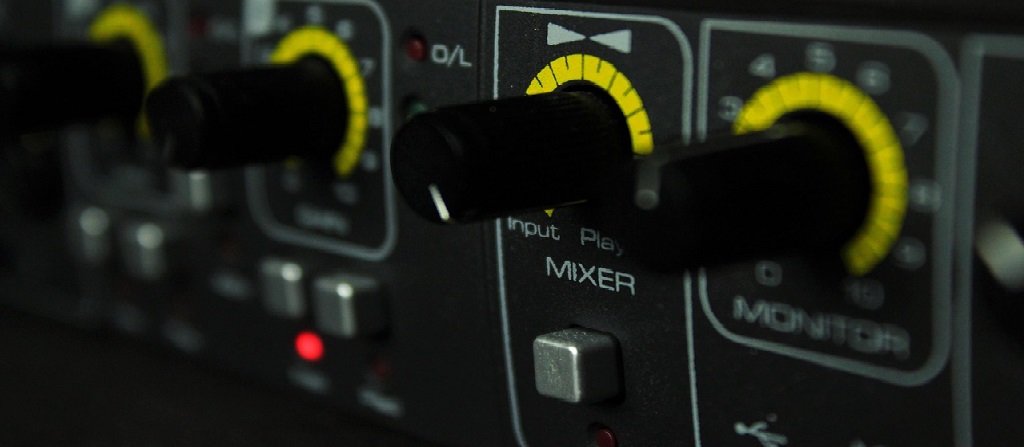
An audio interface is an external sound card that functions to ensure the production of quality and high resonance sounds. With all the great advantages that an audio interface can provide, choosing the right audio interface that best suits your needs may not be that simple as you think. The following important reasons and considerations are very helpful in what to look for in a great audio interface.

Occupational Reasons
Controller

Are you a DJ or do you own a professional recording studio? Do you do recordings in your own home or do you do recordings in a personal capacity? Up to this date, there are already countless types and models of an audio interface. Depending on what kind of end user you are or where you use those recordings are important considerations that you must integrate with your decision making.

In professional recording studios where they use various instruments, the number of input and output connections is a prime consideration. The more connections mean that there is a lesser need for other external devices. Home studios may need models with lesser I/O connections. While heavy-duty with the compact and durable design is suitable for studios, portable and easy-to-use audio interface models are best for users on the move.

Compatibility Check

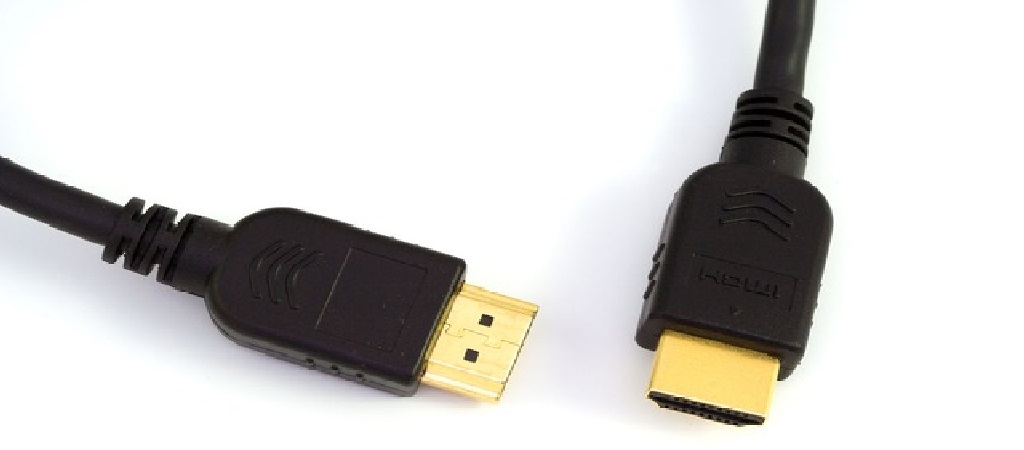
Audio interfaces come in different connection types. They may be either USB type, firewire or thunderbolt. Each of them might have a specific advantage over the other but in which way they require a specific port to operate. They are reliable and would fare enough for your recordings, but you should make sure that they are compatible with your devices.

Though most audio interfaces are generally compatible with Digital Audio Workstations or DAWs, it is always advisable to check their compatibility. It is best that both should be from the same manufacturing company. DAWs are either audio hardware or software used in editing digital audio.

Budgetary Requirements

One most powerful element in your decision making is probably your budget. Heavy duty audio interfaces usually command greater prices and are usually lag free compared to portable models. Depending on where you will use it, it is wiser to save on money to be able to afford the price of the right model for you.

Buying a model that will generate you savings for the time being but will only be used in a short-term is far more expensive than buying the right model that will satisfy your needs for a good number of years because you will be replacing the cheaper one in the long run.

Physical Form
Cable

Surely, other factors may sway your decision from one specific model to the other. Other important things to consider is the form factor. Does it suit the space you intend to place it? Because it bestows you the most crucial points in your recording, it should be placed where it can be used readily. Desktop audio interfaces are suitable for home studios and are usually placed atop desktops.

The bulkier rack-mounted interface is used in professional recording studios while the portable types because of their small size can be placed in pockets of travelers. Going through reliable product reviews and independent endorsements and with your wise decision making, the perfect audio interface for you is just right there for your picking.


Related Post

Deepfake News Videos Are Here – How to Spot and Stop ThemDeepfake News Videos Are Here – How to Spot and Stop Them

The digital landscape is evolving at breakneck speed, and with it comes a new breed of misinformation: deepfake news videos. These highly sophisticated manipulations can distort reality in ways that seem almost magical. From political speeches to celebrity scandals, the potential for misuse is staggering.

As viewers, we find ourselves questioning what’s real and what’s fabricated, like what happened the first time we heard that the time to make the donuts actor, Michael Vale, died. But fear not—awareness is our greatest weapon against this burgeoning threat. By understanding how to identify these deceptive clips and knowing the tools available for verification, we can reclaim our ability to discern truth from fiction.

Open-Source Tools to Verify Suspicious Footage

When faced with dubious video content, open-source tools can be a lifesaver. They empower users to scrutinize footage effectively and spot potential signs of manipulation. Platforms like InVID allow you to break down videos frame by frame. This tool can analyze key elements such as metadata and source verification. It provides insight into the originality of clips that might otherwise slip under the radar. Another useful option is FotoForensics, which examines images for inconsistencies in pixelation or editing patterns. These subtle clues often reveal whether an image has been altered. Additionally, tools like TinEye help trace back where a video originated, establishing its authenticity through reverse image searching.

How BBC and Reuters Are Preparing Their Newsrooms

As deepfake technology evolves, news organizations like BBC and Reuters are stepping up their defenses. They recognize the potential threat that manipulated videos pose to public trust. Both outlets are investing in advanced training for journalists. This includes workshops on recognizing deepfakes and understanding the tools available for verification. By enhancing media literacy within their teams, they aim to foster a culture of skepticism towards unverified content. Moreover, these newsrooms are adopting cutting-edge software designed to detect alterations in video footage. This proactive approach allows them to filter out questionable material before it reaches viewers.

The Role of Blockchain in Authenticating Media

Blockchain technology is transforming how we authenticate media. By creating a decentralized ledger, it ensures that content remains tamper-proof and traceable. Each piece of media can be hashed and stored on the blockchain. This process generates a unique digital fingerprint. Anyone who views the footage can verify its authenticity against this record. Moreover, blockchain allows for clear attribution to original creators. It reinforces trust by providing transparency about who produced what content and when. This level of security is crucial in combating deepfakes and misinformation. As news organizations adopt these technologies, they gain powerful tools to maintain credibility in an era where fake visuals are rampant.

Why Watermarks Aren’t Enough Anymore

Watermarks used to be a reliable method for verifying authenticity. They served as a visual cue, giving viewers confidence in what they were watching. However, with the rise of deepfake technology, this reassurance is fading fast. Digital manipulation tools have evolved significantly. Today’s software can easily remove or alter watermarks without leaving a trace. This means that even if footage appears authentic at first glance, it may not be trustworthy. Moreover, audiences are becoming more sophisticated and skeptical. A simple watermark does little to convince them of credibility when misinformation spreads like wildfire on social media platforms.

How to Stop the Spread of Deepfake News

Deepfake news poses significant challenges for media consumers and journalists alike. To mitigate its spread, education is key. Individuals need to be informed about the existence of deepfakes and how they work. Teaching critical thinking skills can empower audiences to question what they see. News organizations must adopt a proactive approach as well. Collaborations between tech experts and journalists are essential in creating guidelines for identifying manipulated content. But most importantly, let’s use social media power. Enhanced algorithms that detect altered footage before it goes viral could significantly reduce misinformation’s reach.

enterprenuers using laptop

Ways Technology Will Help You Run Your BusinessWays Technology Will Help You Run Your Business

Many businesses are currently doing well due to incorporating various forms of technology in their business operations. It will be unwise not to utilize what technology has to offer while your competitors are doing so.

Running a business is not as easy as it may seem, especially in this time and age. Embracing technology like the beauty salon pos system may be the only way your business will reach its full potential. You may not know how some enterprises utilize technology, and the article will give you some insights. Here are some of the ways technology will help you run your business more effectively.

Improving Your Marketing Strategy

online marketingMarketing is one of the crucial factors that a business needs to succeed. The fact that competitors are gradually increasing has made marketing vital for many enterprises. You must market your business to potential customers for it to grow and make more profit. Technological advancement has been at the forefront in helping companies create great marketing strategies and campaigns.

Digital marketing has been revolutionary, and you should highly consider it. It is now possible to utilize the many social media platform to market your business’s products and services. The good news is that it is possible to see if a marketing strategy is working or not through technology. We are living in a time where data has become crucial in marketing. You can utilize big data technology to make great marketing campaigns that will work.

Improving Customer Service

customersFor your business to reach its full potential, It is crucial to have more customers. However, getting the customers you need is not as easy as it may sound. Since many businesses offer the same kind of services and products, many enterprises are struggling to get many customers.

The key to getting loyal customers is improving your customer service. There are software and tools that are crucial in coming up with a strategy to enhance your customer’s service. For example, you can know to utilize cloud-based applications and software to find out ways to satisfy your customers’ wants through your computer.

Businesses can now interact with their customers online, and through this, they can get feedback if they are doing the right thing or not. In addition, customers can now write reviews and also rate different products and services. Through this, businesses are finding appropriate ways to improve their customer service.

It will be a shame if you do no utilize what technology has to offer when running your business. There are many more ways you can use technology to better your business operations.

money tech

How to Use Technology to Make ProfitHow to Use Technology to Make Profit

In a constantly changing world, using technology to your advantage is more critical than ever. You are falling behind if you are not using technology to make a profit. Let’s discuss how you can use different types of technology to increase your revenue. We will also provide examples of businesses that have successfully utilized technology to improve their bottom line. So, what are you waiting for? Start reading and learn how to make money with technology.

Blockchain Technology

blockchainBitcoin, Ethereum, BNB, Safe Moon, and other cryptocurrencies are making waves worldwide, and it’s about time we caught on. Businesses need to know more about bitcoin profit and how to utilize cryptocurrencies and blockchain technology to make a profit. For those who don’t know, blockchain is a digital ledger that cryptocurrency transactions are recorded. It’s like a virtual version of a checkbook where every transaction is verified and confirmed by each party involved. This makes it nearly impossible to commit fraud or have double spending issues.

Now that we know a little more about blockchain let’s talk about how businesses can use it to make money. For example, some businesses are now accepting bitcoin as a form of payment. This is great for two reasons. First, it shows that the business is open-minded and willing to accept new forms of payment. Second, it allows the business to save on transaction fees. When a customer pays with bitcoin, the merchant doesn’t have to pay a processing fee to the bank. This can really add up, especially for businesses that have high volume sales.

Automation Tech

automation manufacturingBusinesses can also make a profit by automating certain processes. This can be done with the help of apps, software, or even robots. Automation can help businesses save time and money by streamlining repetitive or time-consuming tasks. For example, let’s say you own a food truck. You could use an app to automate your order taking and payments so that you can spend more time cooking and less time dealing with customers. Or, if you own a brick-and-mortar store, you could use robots to help restock shelves or do other tedious tasks.

The Bottom Line

The bottom line is that businesses need to be using technology to make money. There are many different ways to do this, so find the one that works best for you. Stay ahead of the curve and start using technology to improve your bottom line today.

What are some other ways that businesses can use technology to make a profit? Share your thoughts in the comments below. And don’t forget to check out our other articles on how to use technology to improve your business. Thanks for reading.