
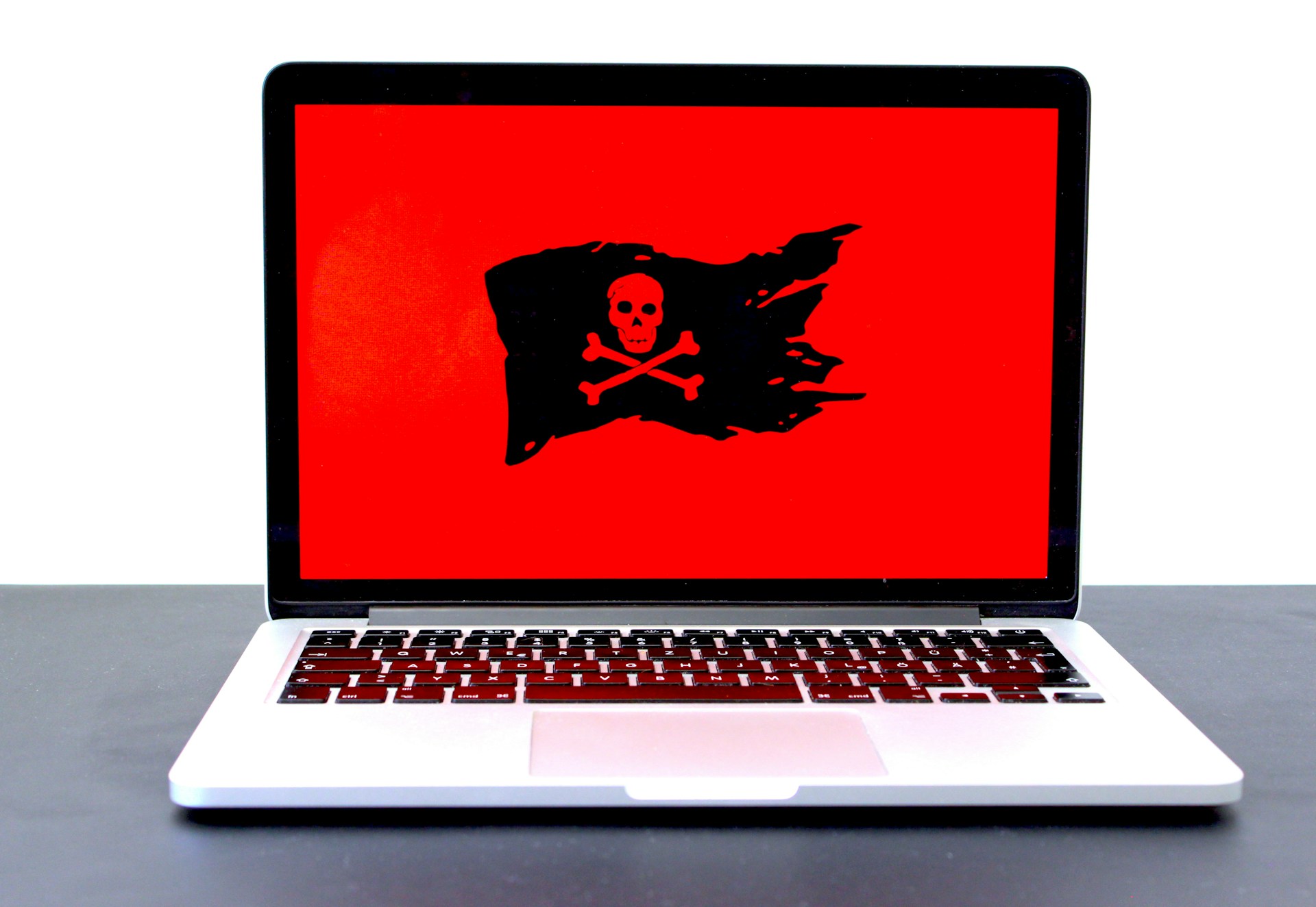
Ransomware has become one of the most destructive cyber threats facing businesses today. It locks systems, encrypts files, and demands payment in exchange for access. Attacks are now more targeted and frequent. Cybersecurity firms, including the top managed IT services firm, are under pressure to respond quickly and effectively. They must not only stop attacks but also prevent them before damage occurs. Modern defense requires a mix of technology, planning, and continuous monitoring. Understanding How Ransomware Operates Ransomware attacks often begin with simple entry points. Phishing emails, weak passwords, and outdated software are common targets. Once inside a system, attackers move quietly. They explore the network, locate valuable data, and prepare for encryption. Many attacks now involve double extortion. This means data is both encrypted and stolen. Victims are threatened with data leaks if they refuse to pay. This tactic increases pressure and raises the stakes. Cybersecurity firms study these…
Technology

The Role of Image Clipping in Creating Consistent Online Store Visuals
Running an online shop is not just about having the right products. Presentation often makes the difference between a customer clicking “buy now” or leaving the page altogether. That’s where editing steps in. Hiring a professional clipping path service allows store owners to create visuals that look like they belong to the same collection. Think about walking into a physical boutique. Clothes or products are neatly arranged, lighting feels balanced, and everything gives off a sense of harmony. Online stores should provide that same feeling through visuals, because buyers depend entirely on photos to judge quality. Consistent imagery, made possible through clipping, communicates professionalism without saying a word. Creating a Clean Background Background clutter often steals attention from the product itself. By clipping, sellers remove unwanted objects and give every item a neat setting. The result is an image that looks professional and ready to impress. This uniformity matters most…

Your Office Wi-Fi Isn’t the Problem, Your IT Strategy Is
When tech issues pop up, most businesses don’t call for help, they Google it, tap the one guy who “knows computers,” or ignore it until things explode. But here’s the kicker: those “minor” problems? They’re quietly draining your productivity, exposing your data, and killing morale. For companies based in North Carolina, RCOR Managed IT Raleigh offers an actual solution. But do they include the best IT strategy? Quick Fixes Are Costing You More Than You Think If your team’s losing time trying to troubleshoot slow laptops or reconnect printers, that’s payroll wasted. And it adds up. One minute here. Ten minutes there. Multiply that across employees and weeks, and you’ve burned through a chunk of your budget just waiting on error messages to clear. Managed IT means those issues get handled immediately and permanently. Outdated Systems Are Basically Open Doors Hackers don’t need Hollywood-level skills to get into vulnerable networks.…

Deepfake News Videos Are Here – How to Spot and Stop Them
The digital landscape is evolving at breakneck speed, and with it comes a new breed of misinformation: deepfake news videos. These highly sophisticated manipulations can distort reality in ways that seem almost magical. From political speeches to celebrity scandals, the potential for misuse is staggering. As viewers, we find ourselves questioning what’s real and what’s fabricated, like what happened the first time we heard that the time to make the donuts actor, Michael Vale, died. But fear not—awareness is our greatest weapon against this burgeoning threat. By understanding how to identify these deceptive clips and knowing the tools available for verification, we can reclaim our ability to discern truth from fiction. Open-Source Tools to Verify Suspicious Footage When faced with dubious video content, open-source tools can be a lifesaver. They empower users to scrutinize footage effectively and spot potential signs of manipulation. Platforms like InVID allow you to break down…

Mastering Smart Engine Temp Management: Essential Strategies for Modern Riders
As the sun rises on a new era of motorcycle technology, savvy riders are discovering that mastering engine temperature management isn’t just a performance enhancer—it’s a necessity. Whether you’re zipping through city streets or conquering winding mountain roads, keeping your bike’s engine at optimal temperatures can mean the difference between an exhilarating ride and an unexpected breakdown. In this blog post, we’ll dive into essential strategies to help you maintain perfect engine temp control, ensuring that your two-wheeled companion runs smoothly and efficiently. Get ready to rev up your knowledge and ride smarter than ever before. Let Your Bike Warm up—But Don’t Overdo It Starting up and blasting off isn’t the move. Your engine needs a little warm-up time, especially on chilly mornings. Letting your bike idle for 30 seconds to a minute helps the oil circulate and brings the temperatura funcionamiento motor up to a safe level. But here’s…

Spotting the Signs: A Comprehensive Checklist to Avoid Job Scams Online
Navigating the vast ocean of online job opportunities can feel like a thrilling adventure, but beware—the waters are also teeming with hidden dangers. Job scams lurk in the shadows, ready to ensnare unsuspecting job seekers looking for their next big break. With enticing offerings and promises that sound too good to be true, these scams can easily lead you astray. It’s crucial to know how to spot these red flags before you get caught up in their web. In this guide, we’ll explore key warning signs that may indicate a scam is lurking behind what appears to be a fantastic opportunity. By staying informed and vigilant, you’ll increase your chances of finding legitimate jobs while steering clear of pitfalls that could cost you time or money. Let’s dive into the essential checklist that will help keep your job search safe and successful! Too Good to Be True Offers When a…

Big Data in Cinema: Uncovering Patterns that Determine Film Success
In an age where data drives decisions across industries, the film world is no exception. Imagine if you could decode the secrets behind blockbuster hits and box office flops using powerful analytical tools. Welcome to the captivating intersection of cinema and big data, where numbers become narratives and trends reveal hidden truths. From audience demographics to social media buzz, filmmakers are now harnessing vast datasets to predict what will light up screens—and our hearts. Join us as we dive deep into how big data is reshaping storytelling in Hollywood, unveiling the patterns that determine a film’s fate before it even hits theaters. Big Data and the Movie Industry For decades, the film industry relied on gut feelings, star power, and traditional marketing strategies to predict a movie’s potential success. But things have changed. With the rise of digital technology, movie studios now have access to an enormous amount of data—data…

The Role of IT Consulting Companies in Digital Transformation Strategies
In the ever-evolving landscape of modern business, digital transformation has emerged as a strategic imperative. As organizations strive to stay ahead in the digital age, the role of IT Consulting Denver has become increasingly crucial. In this article, we explore how these expert advisors contribute to shaping and implementing effective digital transformation strategies. Understanding Digital Transformation Digital transformation goes beyond adopting new technologies; it’s a comprehensive reimagining of how businesses operate, deliver value, and engage with customers. It involves leveraging technology to drive innovation, streamline processes, and enhance overall business performance. Strategic Planning and Roadmapping One of the key contributions of IT consulting companies in the realm of digital transformation is their expertise in strategic planning. These firms work closely with organizations to align their business goals with a customized digital roadmap. By conducting thorough assessments, they identify areas that can benefit from technological enhancements, creating a blueprint for a…

Exploring the Features of Managed Print Services
Are you tired of dealing with the hassle of managing your company’s printing needs? Do you constantly run out of ink or paper at the most inconvenient times? It may be time to explore the world of Managed Print Services. With these innovative solutions, you can say goodbye to all your printing woes and hello to a more efficient and cost-effective way of handling your company’s print fleet. Managed print services New York NY offer a variety of features that can benefit businesses of all sizes. In this blog post, we will delve into the key features and benefits of Managed Print Services that can transform your printing processes from chaotic to streamlined. Print Fleet Optimization Print Fleet Optimization is one of the standout features offered by Managed Print Services. It involves assessing your current print fleet and implementing strategies to maximize its efficiency and productivity. By analyzing factors such…

Understanding the Biggest Roles of IT Consultants for Businesses
The key to success for any business is to keep seeking better ways to stay ahead of the curve and level up their technological potential. This is where IT consultants come in. With their expertise and strategic guidance, they can be your business’s best friend in shaping success, regardless of the types and levels of your business. So, if you’re curious about how these tech-savvy professionals can revolutionize your company’s operations, then keep reading. We’ll be exploring four key areas where IT consultants truly shine. Strategic Planning Strategic planning is the compass that guides businesses toward their long-term goals and objectives. IT consultants play a vital role in this process by assessing the current state of technology within an organization and identifying areas for improvement. But make sure to hire the best IT consultant like IT Consulting Walnut Creek California here. Once armed with this knowledge, IT consultants develop comprehensive…

Common IT Problems and How an IT Support Company Can Solve Them
Are you tired of dealing with constant network issues, hardware failures, and software glitches? Is the fear of a security breach or data loss keeping you awake? If so, it’s time to consider partnering with an IT support company. These experts have the knowledge and tools to solve your IT problems efficiently and effectively. If you are interested in finding one trusted by many, consider checking Charlotte Managed IT Services North Carolina. In this blog post, we’ll explore five common IT problems that businesses face regularly and how an IT support company can help alleviate these headaches. Network Issues Network issues can be a major source of frustration for businesses. Whether it’s slow internet speeds, dropped connections, or intermittent outages, these problems can severely impact productivity and hinder daily operations. One common network issue is bandwidth congestion. Too many devices using the same network simultaneously can lead to sluggish performance…

The Common Causes of Cybersecurity Problems
Welcome to our blog post on the common causes of cybersecurity problems. In today’s digital world, where technology reigns supreme, and our lives are increasingly intertwined with the online realm, it is more important than ever to protect ourselves from cyber threats. Some have even considered undergoing security plus training. From weak passwords to unsecured Wi-Fi networks, numerous factors can leave us vulnerable to hackers and malware attacks. So sit back, relax, and let’s dive into the key culprits behind cybersecurity issues – because knowledge is power when it comes to keeping your online presence safe and secure. Weak Passwords One of the most common causes of cybersecurity problems is the use of weak passwords. To ensure a strong defense against cyber threats, it’s crucial to create robust passwords. A strong password typically consists of a mix of upper and lower-case letters, numbers, and special characters. Avoid using personal information…

Essential Tips to Up Your Music Production Game
Are you tired of feeling like your music production skills are stuck in a rut? Do you want to take your tracks to the next level and stand out from the crowd? Look no further. This blog post shares some essential tips to help your music production game. Whether a beginner or an experienced producer, these tips will give you the tools and knowledge to create high-quality tracks that leave a lasting impression on listeners. So, let’s dive in and start elevating your music production skills today. Master Your Tools and Software Becoming proficient with your music production tools and software is essential. Whether you prefer working with a digital audio workstation (DAW) like Ableton Live or Logic Pro, take the time to explore all the features and functionalities available to you. Experiment with different plugins, effects, and virtual instruments. The more comfortable you are with your tools, the more…

How to Use Technology to Make Profit
In a constantly changing world, using technology to your advantage is more critical than ever. You are falling behind if you are not using technology to make a profit. Let’s discuss how you can use different types of technology to increase your revenue. We will also provide examples of businesses that have successfully utilized technology to improve their bottom line. So, what are you waiting for? Start reading and learn how to make money with technology. Blockchain Technology Bitcoin, Ethereum, BNB, Safe Moon, and other cryptocurrencies are making waves worldwide, and it’s about time we caught on. Businesses need to know more about bitcoin profit and how to utilize cryptocurrencies and blockchain technology to make a profit. For those who don’t know, blockchain is a digital ledger that cryptocurrency transactions are recorded. It’s like a virtual version of a checkbook where every transaction is verified and confirmed by each party…

The Advantages of Outsourcing Paystub Makers
Outsourcing paystub makers is a great way to grow your business. While you may be able to do it yourself, there are many reasons why outsourcing can help you. First of all, it’s important to remember that not every job in the world needs an expert on staff. Pay stubs are one example of this – they’re simple enough that most people can make them themselves with little difficulty or training. If your company is too small for someone full-time on payroll, then you should consider outsourcing a paystub maker! We’ll go into detail about some specific advantages below: Outsourcing Allows You to Focus on Core Competencies With your staff focused on the same goal, you can achieve great things. Even if that means outsourcing paystub makers – after all, they’re only one piece of what you need to do to run a business! When staff is dedicated full-time on…

IT Maintenance: Should You Recruit Internally or Outsource?
Computer systems are increasingly complex. An essential complexity to guarantee the survival of the company. Today, no business can do without an IT infrastructure. If a few years ago, it was business support, today it is an integral part. The choice for SMEs to entrust their IT maintenance to experts becomes indisputable. The real question would be whether companies should entrust their information systems to outsourcing companies or rather recruit IT specialists internally. Why should a business outsource its IT management? Let’s see in detail what are the advantages of entrusting IT maintenance to IT outsourcing companies. IT Maintenance for SMEs: Internal Management or Outsourcing? Small and medium-sized businesses thrive on their employees and often on their ability to perform multiple functions. In VSEs and SMEs, the same employee can often find himself managing sales, administration, and human resources at the same time. This is why it is increasingly essential…

Ways Technology Will Help You Run Your Business
Many businesses are currently doing well due to incorporating various forms of technology in their business operations. It will be unwise not to utilize what technology has to offer while your competitors are doing so. Running a business is not as easy as it may seem, especially in this time and age. Embracing technology like the beauty salon pos system may be the only way your business will reach its full potential. You may not know how some enterprises utilize technology, and the article will give you some insights. Here are some of the ways technology will help you run your business more effectively. Improving Your Marketing Strategy Marketing is one of the crucial factors that a business needs to succeed. The fact that competitors are gradually increasing has made marketing vital for many enterprises. You must market your business to potential customers for it to grow and make more…

Five Essential Features to Look for in a Cloud Backup Service
Imagine if, one day, you get your laptop stolen. Worse, you haven’t got the chance to make a backup of your data by the time that misfortune happens. You will lose all your data for sure. Therefore, digital storage technology has evolved. And its latest and most versatile form is the cloud storage form. The best online resource for learning about leading cloud backup providers is here. And below are the essential features to look for in a cloud backup provider. 1. Security When the first time you heard about cloud storage service, your mind probably wandered back to 2012, where 68 million users of DropBox were at risk of data misappropriation since hackers had leaked their usernames and passwords. If you are to look for a cloud backup service, you’d better check if there has been any breach before. Also, examine the security measures they provide. 2. Warranty Sadly,…
Pointers to Consider When Buying a Firewall
Information security is essential to the success of any business. Now that many people seem to have come tech-survey, protecting your business from malicious hackers becomes inevitable. While there are several ways that you can use to protect your business, a firewall is the most outstanding. However, one needs to understand that buying a firewall is never a walk in the park. Now that several companies are dealing with firewalls, for you to get the best option, you will need to make sure are well informed. Here are essential points that you should always consider when it comes to buying the best firewall for your business. Future Trends Before buying a firewall, you need to make sure that you have a proper plan for the future of your business. If one of the dreams that you have is to have a large company in the future, then it is prudent…

Choosing the Perfect Audio Interface for You
From the invention of the phonograph by Thomas Edison in 1877 to compact audio cassette tape recorders in the mid20th century, to digital compact disk recorders in the ‘80s until the contemporary hard disk recording; sound recording has magnificently revolutionized into what it is today. With the advent of computers with built-in sound cards, sound recording was never the same again. But until the invention of audio interface, was only the time when sound recording was perfected. An audio interface is an external sound card that functions to ensure the production of quality and high resonance sounds. With all the great advantages that an audio interface can provide, choosing the right audio interface that best suits your needs may not be that simple as you think. The following important reasons and considerations are very helpful in what to look for in a great audio interface. Occupational Reasons Are you a…