

IT Maintenance: Should You Recruit Internally or Outsource?

IT Maintenance: Should You Recruit Internally or Outsource? post thumbnail image

Computer systems are increasingly complex. An essential complexity to guarantee the survival of the company. Today, no business can do without an IT infrastructure. If a few years ago, it was business support, today it is an integral part.

The choice for SMEs to entrust their IT maintenance to experts becomes indisputable. The real question would be whether companies should entrust their information systems to outsourcing companies or rather recruit IT specialists internally. Why should a business outsource its IT management?

Let’s see in detail what are the advantages of entrusting IT maintenance to IT outsourcing companies.

IT Maintenance for SMEs: Internal Management or Outsourcing?
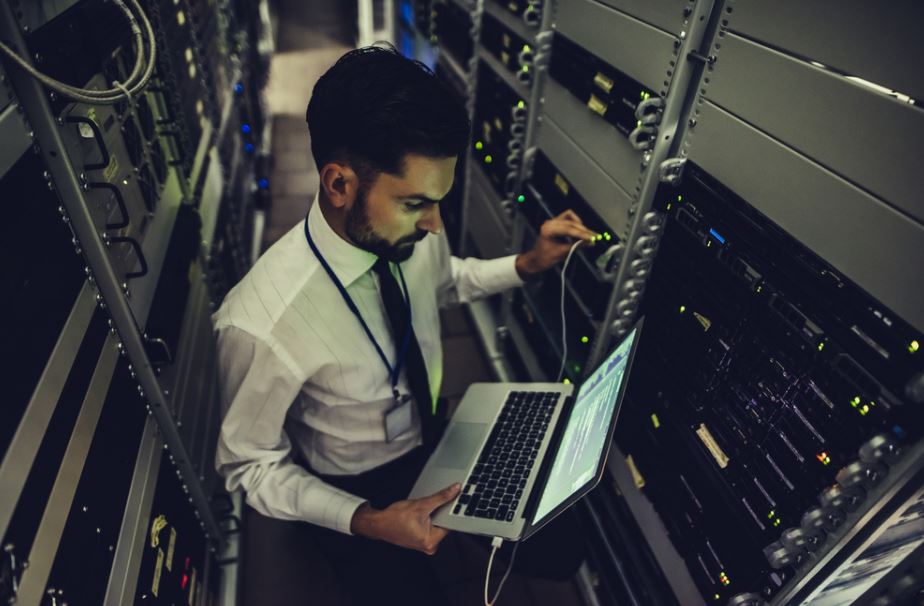
tech supportSmall and medium-sized businesses thrive on their employees and often on their ability to perform multiple functions. In VSEs and SMEs, the same employee can often find himself managing sales, administration, and human resources at the same time. This is why it is increasingly essential to rely on efficient technological systems to facilitate workflows, communication between different departments, and business activities on the front line.

However, it is not always easy to manage all IT systems in-house. Especially in SMEs, but in reality, this is also true for large companies. It wastes a lot of time and money. Especially since the complexity of the systems means that the resources dedicated to them must be highly specialized.

Outsource IT Maintenance, Saving Time and Money

This is undoubtedly the first advantage offered by outsourcing the management of information systems to specialized companies. There are many determining factors. First of all, outsourcing its IT maintenance to third parties means there is no longer any need to recruit an in-house IT team. Labor costs can be reduced, and, at the same time, companies no longer need to invest in continuing education to cope with changing technologies.

IT Outsourcing for SMEs, More Flexibility and Scalability

Every business is different, and therefore IT systems must also adapt to specific needs. An IT service provider knows this very well and can offer tailor-made services to their customers. The scalability of the services provided also makes it possible to adapt to change and cope with new corporate structures.

Dedicated IT Resources Mean More Risk for Businesses

A computer expert ensures the proper functioning of PCs, antiviruses, information systems, etc … But computer systems are becoming more complex, and solving all the problems they involve is not easy for one person and even for a small one.

Another aspect often overlooked by entrepreneurs is the substitutability factor. Indeed, if the IT manager were to leave you with all the technical and commercial know-how, would you be able to replace him quickly? And recognize in the new candidate the skills necessary to fill this role?

IT maintenanceMedium and small businesses often have only one resource dedicated to managing information systems. It follows that this person becomes irreplaceable, that absences for illness or holidays become difficult to envisage if not against the guarantee of availability.

In this case, using a company specializing in computer maintenance for businesses that is constantly available, even if only support, can help overcome these risks.


Related Post

online store

The Role of Image Clipping in Creating Consistent Online Store VisualsThe Role of Image Clipping in Creating Consistent Online Store Visuals

Running an online shop is not just about having the right products. Presentation often makes the difference between a customer clicking “buy now” or leaving the page altogether. That’s where editing steps in. Hiring a professional clipping path service allows store owners to create visuals that look like they belong to the same collection. Think about walking into a physical boutique. Clothes or products are neatly arranged, lighting feels balanced, and everything gives off a sense of harmony. Online stores should provide that same feeling through visuals, because buyers depend entirely on photos to judge quality. Consistent imagery, made possible through clipping, communicates professionalism without saying a word.

Creating a Clean Background

Background clutter often steals attention from the product itself. By clipping, sellers remove unwanted objects and give every item a neat setting. The result is an image that looks professional and ready to impress. This uniformity matters most when products sit side by side in a catalog. A clean background reduces visual noise and makes shopping feel easier. It also signals that the store invests effort in presentation.

Highlighting Product Details

Tiny design elements often sway purchase decisions. Without clipping, a strap, button, or texture can blend into the wrong background. A clipped photo allows customers to clearly view every detail that adds value. Products like jewelry, electronics, and shoes depend heavily on visible precision. Buyers want to see surfaces, edges, and finishes before they trust a purchase. Clipping emphasizes these aspects without distractions.

Strengthening Brand Consistency

Every store aims to project a strong identity. Some brands prefer crisp white layouts, while others mix lifestyle visuals. Clipping gives flexibility to shift products between styles without repeating a shoot. A catalog filled with mismatched backgrounds looks chaotic. On the other hand, clipped visuals align the collection and present a cohesive brand image. This sense of order reassures customers that the seller is reliable.

Improving Customer Trust

Trust grows when visuals feel honest and clear. If an image blends into shadows or fades into clutter, doubt creeps in. Clipped images reduce confusion and help buyers feel confident in their decision. Confidence drives conversions. Customers value clarity and perceive it as care for detail. A consistent gallery makes them believe the seller treats products with the same professionalism.

Supporting Faster Workflow

Large online stores deal with hundreds of images at once. Re-shooting every product for campaigns or ads would be exhausting. Clipping solves this by creating reusable cutouts for multiple uses. This efficiency saves money and shortens production cycles. A clipped photo can be adapted for catalogs, ads, and social posts without new photography. That flexibility gives sellers more time to focus on strategy instead of repetitive edits.

Image clipping is more than trimming edges. It is the difference between a scattered gallery and a polished storefront. For online sellers, this method turns average visuals into consistent, trustworthy assets. Consistency keeps buyers engaged. Neat visuals reduce hesitation and encourage purchases. That small detail of clipping can shape the overall impression of an entire store.

money tech

How to Use Technology to Make ProfitHow to Use Technology to Make Profit

In a constantly changing world, using technology to your advantage is more critical than ever. You are falling behind if you are not using technology to make a profit. Let’s discuss how you can use different types of technology to increase your revenue. We will also provide examples of businesses that have successfully utilized technology to improve their bottom line. So, what are you waiting for? Start reading and learn how to make money with technology.

Blockchain Technology

blockchainBitcoin, Ethereum, BNB, Safe Moon, and other cryptocurrencies are making waves worldwide, and it’s about time we caught on. Businesses need to know more about bitcoin profit and how to utilize cryptocurrencies and blockchain technology to make a profit. For those who don’t know, blockchain is a digital ledger that cryptocurrency transactions are recorded. It’s like a virtual version of a checkbook where every transaction is verified and confirmed by each party involved. This makes it nearly impossible to commit fraud or have double spending issues.

Now that we know a little more about blockchain let’s talk about how businesses can use it to make money. For example, some businesses are now accepting bitcoin as a form of payment. This is great for two reasons. First, it shows that the business is open-minded and willing to accept new forms of payment. Second, it allows the business to save on transaction fees. When a customer pays with bitcoin, the merchant doesn’t have to pay a processing fee to the bank. This can really add up, especially for businesses that have high volume sales.

Automation Tech

automation manufacturingBusinesses can also make a profit by automating certain processes. This can be done with the help of apps, software, or even robots. Automation can help businesses save time and money by streamlining repetitive or time-consuming tasks. For example, let’s say you own a food truck. You could use an app to automate your order taking and payments so that you can spend more time cooking and less time dealing with customers. Or, if you own a brick-and-mortar store, you could use robots to help restock shelves or do other tedious tasks.

The Bottom Line

The bottom line is that businesses need to be using technology to make money. There are many different ways to do this, so find the one that works best for you. Stay ahead of the curve and start using technology to improve your bottom line today.

What are some other ways that businesses can use technology to make a profit? Share your thoughts in the comments below. And don’t forget to check out our other articles on how to use technology to improve your business. Thanks for reading.

Deepfake News Videos Are Here – How to Spot and Stop ThemDeepfake News Videos Are Here – How to Spot and Stop Them

The digital landscape is evolving at breakneck speed, and with it comes a new breed of misinformation: deepfake news videos. These highly sophisticated manipulations can distort reality in ways that seem almost magical. From political speeches to celebrity scandals, the potential for misuse is staggering.

As viewers, we find ourselves questioning what’s real and what’s fabricated, like what happened the first time we heard that the time to make the donuts actor, Michael Vale, died. But fear not—awareness is our greatest weapon against this burgeoning threat. By understanding how to identify these deceptive clips and knowing the tools available for verification, we can reclaim our ability to discern truth from fiction.

Open-Source Tools to Verify Suspicious Footage

When faced with dubious video content, open-source tools can be a lifesaver. They empower users to scrutinize footage effectively and spot potential signs of manipulation. Platforms like InVID allow you to break down videos frame by frame. This tool can analyze key elements such as metadata and source verification. It provides insight into the originality of clips that might otherwise slip under the radar. Another useful option is FotoForensics, which examines images for inconsistencies in pixelation or editing patterns. These subtle clues often reveal whether an image has been altered. Additionally, tools like TinEye help trace back where a video originated, establishing its authenticity through reverse image searching.

How BBC and Reuters Are Preparing Their Newsrooms

As deepfake technology evolves, news organizations like BBC and Reuters are stepping up their defenses. They recognize the potential threat that manipulated videos pose to public trust. Both outlets are investing in advanced training for journalists. This includes workshops on recognizing deepfakes and understanding the tools available for verification. By enhancing media literacy within their teams, they aim to foster a culture of skepticism towards unverified content. Moreover, these newsrooms are adopting cutting-edge software designed to detect alterations in video footage. This proactive approach allows them to filter out questionable material before it reaches viewers.

The Role of Blockchain in Authenticating Media

Blockchain technology is transforming how we authenticate media. By creating a decentralized ledger, it ensures that content remains tamper-proof and traceable. Each piece of media can be hashed and stored on the blockchain. This process generates a unique digital fingerprint. Anyone who views the footage can verify its authenticity against this record. Moreover, blockchain allows for clear attribution to original creators. It reinforces trust by providing transparency about who produced what content and when. This level of security is crucial in combating deepfakes and misinformation. As news organizations adopt these technologies, they gain powerful tools to maintain credibility in an era where fake visuals are rampant.

Why Watermarks Aren’t Enough Anymore

Watermarks used to be a reliable method for verifying authenticity. They served as a visual cue, giving viewers confidence in what they were watching. However, with the rise of deepfake technology, this reassurance is fading fast. Digital manipulation tools have evolved significantly. Today’s software can easily remove or alter watermarks without leaving a trace. This means that even if footage appears authentic at first glance, it may not be trustworthy. Moreover, audiences are becoming more sophisticated and skeptical. A simple watermark does little to convince them of credibility when misinformation spreads like wildfire on social media platforms.

How to Stop the Spread of Deepfake News

Deepfake news poses significant challenges for media consumers and journalists alike. To mitigate its spread, education is key. Individuals need to be informed about the existence of deepfakes and how they work. Teaching critical thinking skills can empower audiences to question what they see. News organizations must adopt a proactive approach as well. Collaborations between tech experts and journalists are essential in creating guidelines for identifying manipulated content. But most importantly, let’s use social media power. Enhanced algorithms that detect altered footage before it goes viral could significantly reduce misinformation’s reach.