
Tag: IT

Your Office Wi-Fi Isn’t the Problem, Your IT Strategy Is
When tech issues pop up, most businesses don’t call for help, they Google it, tap the one guy who “knows computers,” or ignore it until things explode. But here’s the kicker: those “minor” problems? They’re quietly draining your productivity, exposing your data, and killing morale. For companies based in North Carolina, RCOR Managed IT Raleigh offers an actual solution. But do they include the best IT strategy?
Quick Fixes Are Costing You More Than You Think
If your team’s losing time trying to troubleshoot slow laptops or reconnect printers, that’s payroll wasted. And it adds up. One minute here. Ten minutes there. Multiply that across employees and weeks, and you’ve burned through a chunk of your budget just waiting on error messages to clear. Managed IT means those issues get handled immediately and permanently.
Outdated Systems Are Basically Open Doors

Hackers don’t need Hollywood-level skills to get into vulnerable networks. Most of them just need one old app or a forgotten software update. That’s all it takes. And don’t assume small businesses aren’t targets. In fact, they’re easier targets. You might not even know something’s off until customer data goes missing or your system locks up and demands a ransom. Working with an IT service means someone’s always watching your tech, not just reacting when it’s already too late.
You’ve Got a Business to Run
Every time someone on your team stops what they’re doing to fiddle with the router, your business slows down. You hired people to move the company forward, not play part-time IT techs. Would you ask your office manager to rewire your building’s electrical system? Didn’t think so. The same logic applies here. Professionals handle the updates, the support tickets, and the panic moments. You get back to focusing on what actually pays the bills.
Patched-up Security Isn’t Real Security

Antivirus software alone doesn’t cut it anymore. Cyber threats evolve, and they evolve fast. You need protection that adjusts without you lifting a finger. That includes things like email filtering, automatic backups, device monitoring, and even keeping tabs on employees working remotely. Managed IT keeps your tech covered from all angles, without turning your inbox into a tech support hotline.
Your Business Deserves the Best Tech Teams
You don’t have to understand every part of your network. You just need it to work fast, safely, and with zero drama. That’s what managed IT does. It keeps the engine running in the background while you handle the big stuff. And no, you don’t need a giant company budget to get this level of service. That’s the beauty of working with experts who understand small business pressure points.
You wouldn’t fix your own plumbing with duct tape. Stop patching up your tech with Google searches and guesswork. If your business depends on functioning systems, then it’s time to treat your tech with the same care you give your clients. Let professionals carry that weight so you can breathe easier. Your inbox (and your staff) will thank you.

The Role of IT Consulting Companies in Digital Transformation Strategies
In the ever-evolving landscape of modern business, digital transformation has emerged as a strategic imperative. As organizations strive to stay ahead in the digital age, the role of IT Consulting Denver has become increasingly crucial. In this article, we explore how these expert advisors contribute to shaping and implementing effective digital transformation strategies.
Understanding Digital Transformation

Digital transformation goes beyond adopting new technologies; it’s a comprehensive reimagining of how businesses operate, deliver value, and engage with customers. It involves leveraging technology to drive innovation, streamline processes, and enhance overall business performance.
Strategic Planning and Roadmapping
One of the key contributions of IT consulting companies in the realm of digital transformation is their expertise in strategic planning. These firms work closely with organizations to align their business goals with a customized digital roadmap. By conducting thorough assessments, they identify areas that can benefit from technological enhancements, creating a blueprint for a successful digital transformation journey.
Technology Assessment and Recommendations
Navigating the vast landscape of technologies can be daunting for businesses. IT consulting companies play a pivotal role in assessing the current technology stack, understanding its limitations, and recommending the right mix of solutions. Whether it’s cloud computing, data analytics, or AI integration, these experts provide tailored recommendations that align with the organization’s objectives.
Change Management and Cultural Shifts
Digital transformation is not just about technology; it requires a cultural shift within an organization. IT consulting companies recognize the importance of change management and work to instill a culture of innovation and adaptability. Through workshops, training programs, and communication strategies, they help employees embrace the evolving digital landscape.
Implementation of Cutting-Edge Technologies

Once a strategic plan is in place, IT consulting firms play a hands-on role in implementing cutting-edge technologies. Whether it’s implementing an enterprise-wide software solution, optimizing workflows with automation, or enhancing cybersecurity measures, these experts ensure that the chosen technologies seamlessly integrate into the existing infrastructure.
Data-Driven Decision-Making
In the digital era, data is a powerful asset. IT consulting companies empower businesses to harness the potential of their data through analytics and business intelligence tools. By establishing robust data-driven decision-making processes, organizations can gain valuable insights, identify trends, and make informed strategic choices.
Cybersecurity and Risk Mitigation
With the increasing digitization of business processes comes the need for robust cybersecurity measures. IT consulting companies focus on fortifying digital ecosystems against cyber threats. From implementing secure network architectures to conducting regular vulnerability assessments, they play a vital role in safeguarding digital assets and ensuring business continuity.
Continuous Monitoring and Optimization

Digital transformation is an ongoing process, not a one-time event. IT consulting firms provide continuous monitoring and optimization services to ensure that digital strategies remain aligned with business goals. This iterative approach allows organizations to adapt to changing market dynamics and technological advancements.
The role of IT consulting companies in digital transformation goes beyond technology implementation. These expert advisors serve as strategic partners, guiding organizations through the complex process of embracing digital innovation. By leveraging their expertise in strategic planning, technology assessment, change management, and ongoing optimization, IT consulting firms contribute significantly to the success of businesses on their digital transformation journey.

Understanding the Biggest Roles of IT Consultants for Businesses
The key to success for any business is to keep seeking better ways to stay ahead of the curve and level up their technological potential. This is where IT consultants come in. With their expertise and strategic guidance, they can be your business’s best friend in shaping success, regardless of the types and levels of your business.
So, if you’re curious about how these tech-savvy professionals can revolutionize your company’s operations, then keep reading. We’ll be exploring four key areas where IT consultants truly shine.
Strategic Planning
 Strategic planning is the compass that guides businesses toward their long-term goals and objectives. IT consultants play a vital role in this process by assessing the current state of technology within an organization and identifying areas for improvement. But make sure to hire the best IT consultant like IT Consulting Walnut Creek California here. Once armed with this knowledge, IT consultants develop comprehensive strategies that align technology initiatives with overall business objectives.
This involves analyzing market trends, evaluating competitor landscapes, and identifying emerging technologies that can give companies a competitive edge. Furthermore, IT consultants help organizations prioritize their investments in technology. By carefully weighing factors such as budget constraints and resource availability, they ensure that every tech initiative supports the company’s overarching vision while delivering measurable value.
Technology Integration
In today’s digital age, technology integration plays a crucial role in the success of businesses. It involves incorporating various technological tools and systems into existing business processes to streamline operations and enhance productivity. IT consultants can help businesses navigate this complex landscape. Furthermore, IT consultants provide ongoing support during the integration process. They conduct thorough testing to ensure that all components are working harmoniously together. If any issues arise during implementation, they troubleshoot and resolve them promptly to minimize disruption to daily operations.
Troubleshooting and Issue Resolution
When it comes to technology, issues, and glitches are bound to happen. That’s where IT consultants shine – in troubleshooting and issue resolution. These professionals have a knack for identifying problems and finding effective solutions. One of the biggest advantages of having an IT consultant on board is their ability to diagnose and resolve technical issues quickly. Whether it’s a network outage, software malfunction, or hardware failure, they have the expertise to troubleshoot and get things back up and running smoothly. IT consultants also play a crucial role in preventing future problems by conducting regular system checks and implementing security measures. They proactively identify potential vulnerabilities that could lead to data breaches or system crashes, ensuring that your business remains protected.
Training and Education
 Did you know that by working with an IT consultant, you can get proper training programs, making sure that your employees have the necessary skills and knowledge to effectively utilize new technologies? IT consultants play a crucial role in identifying areas where additional training is needed within an organization. They assess the existing skill set of employees and design customized training programs to bridge any gaps. These programs may include workshops, seminars, online courses, or on-the-job training.
Furthermore, IT consultants not only provide technical training but also educate employees on best practices for data security and cyber threats. In other words, hiring an IT consultant offers numerous benefits, such as access to specialized expertise, improved efficiency, cost-effective solutions, and enhanced security measures, among others. So, if you’re ready for your business journey into the digital age but lack internal resources or expertise- consider bringing on board an experienced IT consultant who can guide you through every step along the way.

Common IT Problems and How an IT Support Company Can Solve Them
Are you tired of dealing with constant network issues, hardware failures, and software glitches? Is the fear of a security breach or data loss keeping you awake? If so, it’s time to consider partnering with an IT support company. These experts have the knowledge and tools to solve your IT problems efficiently and effectively. If you are interested in finding one trusted by many, consider checking Charlotte Managed IT Services North Carolina. In this blog post, we’ll explore five common IT problems that businesses face regularly and how an IT support company can help alleviate these headaches.
Network Issues
 Network issues can be a major source of frustration for businesses. Whether it’s slow internet speeds, dropped connections, or intermittent outages, these problems can severely impact productivity and hinder daily operations. One common network issue is bandwidth congestion. Too many devices using the same network simultaneously can lead to sluggish performance and slower data transfer rates. An IT support company can assess your network infrastructure and recommend solutions, such as upgrading your router.
Hardware Failures
Hardware failures are a common issue that many businesses face. Whether it’s a faulty hard drive, a malfunctioning printer, or a crashed server, these problems can bring operations to a standstill and cause significant disruptions in productivity. When hardware fails, it can be frustrating and costly for businesses. Employees may be unable to access critical files or complete their tasks efficiently. This can lead to missed deadlines and unhappy clients. One of the main reasons behind hardware failures is outdated equipment. Over time, technology becomes obsolete and prone to failure.
Software Problems
One of the most frustrating software problems is when applications crash unexpectedly. This interrupts work and leads to data loss if unsaved changes are involved. An experienced IT support team will have the expertise to diagnose and troubleshoot such crashes quickly, minimizing downtime. Compatibility issues between different software programs can also cause headaches for businesses. When systems aren’t properly integrated or don’t communicate effectively with each other, it becomes challenging to streamline processes and share information seamlessly across departments.
Security Breaches
These fraudulent attempts to obtain confidential information, such as passwords or credit card details, often come as deceptive emails or websites. By educating employees about the signs of a phishing attempt and implementing strong email filters, an IT support company can help minimize the risk of falling victim to these scams. Another type of security breach is malware infection. Malicious software can infiltrate a system through various means, including infected downloads or compromised websites. An IT support team can detect and remove any potential threats by regularly updating antivirus software and conducting thorough system scans before they cause significant damage.
Data Loss and Backup
 Losing important data can be a nightmare for any business. The consequences can be devastating, Whether due to hardware failure, accidental deletion, or a malicious attack. That’s why having a robust data backup system is crucial. One common IT problem related to data loss is the lack of regular backups. Many businesses neglect this essential task and only realize its importance when disaster strikes. Without proper backups, recovering lost data becomes much more challenging and time-consuming.
Another issue that often leads to data loss is human error. IT problems can cripple businesses, causing downtime, loss of productivity, and potential financial losses. However, by partnering with an IT support company, businesses can have peace of mind knowing that their technology is in capable hands. These experts are equipped to handle a wide range of IT issues, from network and hardware failures to software problems and security breaches. They can also help implement proactive solutions such as regular backups and system updates to prevent future problems. Don’t let IT problems hinder your business’s success any longer – reach out to an IT support company today and experience the difference it can make for your operations.

How to Use Technology to Make Profit
In a constantly changing world, using technology to your advantage is more critical than ever. You are falling behind if you are not using technology to make a profit. Let’s discuss how you can use different types of technology to increase your revenue. We will also provide examples of businesses that have successfully utilized technology to improve their bottom line. So, what are you waiting for? Start reading and learn how to make money with technology.
Blockchain Technology
 Bitcoin, Ethereum, BNB, Safe Moon, and other cryptocurrencies are making waves worldwide, and it’s about time we caught on. Businesses need to know more about bitcoin profit and how to utilize cryptocurrencies and blockchain technology to make a profit. For those who don’t know, blockchain is a digital ledger that cryptocurrency transactions are recorded. It’s like a virtual version of a checkbook where every transaction is verified and confirmed by each party involved. This makes it nearly impossible to commit fraud or have double spending issues.
Now that we know a little more about blockchain let’s talk about how businesses can use it to make money. For example, some businesses are now accepting bitcoin as a form of payment. This is great for two reasons. First, it shows that the business is open-minded and willing to accept new forms of payment. Second, it allows the business to save on transaction fees. When a customer pays with bitcoin, the merchant doesn’t have to pay a processing fee to the bank. This can really add up, especially for businesses that have high volume sales.
Automation Tech
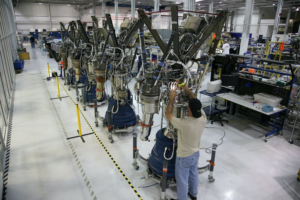 Businesses can also make a profit by automating certain processes. This can be done with the help of apps, software, or even robots. Automation can help businesses save time and money by streamlining repetitive or time-consuming tasks. For example, let’s say you own a food truck. You could use an app to automate your order taking and payments so that you can spend more time cooking and less time dealing with customers. Or, if you own a brick-and-mortar store, you could use robots to help restock shelves or do other tedious tasks.
The Bottom Line
The bottom line is that businesses need to be using technology to make money. There are many different ways to do this, so find the one that works best for you. Stay ahead of the curve and start using technology to improve your bottom line today.
What are some other ways that businesses can use technology to make a profit? Share your thoughts in the comments below. And don’t forget to check out our other articles on how to use technology to improve your business. Thanks for reading.

Various IT Systems A Business Requires To Run Smoothly
It is now becoming almost impossible to operate a business without the use of IT. Most of the operations have been digitized not only to improve its operations but also to increase productivity and profitability. According to surveys, clients can now get services many times faster than a decade ago. When it comes to IT implementation in business, various departments will require a separate set of capabilities whether using integrated or unintegrated separate systems. Below are the popular IT solutions businesses will rely on for smooth operations.
Various IT systems a business requires
Finance systems
All businesses have a financial aspect. Therefore, they cannot escape the need for a reputable finance system now that it is a sensitive area. Such a system will help to handle daily accounts of income and expenditure, suppliers and clients account among other related services. When a company is looking for a good financial support system, they need to make sure that all its features are sufficient to cover their needs.

Maintenance systems
Businesses that have detailed maintenance jobs will need this software as part of it. Such businesses like construction firms, repair and maintenance businesses as well as installations companies will do well with this software. They help them track the work each technician is assigned, progress and time of completion among other capabilities. With great innovation and technological advancement, cloud based systems are now available, and business people can access them from anywhere.
Human resource systems
A business that has a group of staffs that work for them may reach a point where they need to digitize their management. The HR systems are clear and keep detailed records of each staff in a database that can be recalled for reference at any time. They also monitor the employee attendance and productivity which is used in remunerations and promotions. A business can also get cloud based human resource software to handle any number of employees conveniently.
Customer relationship management (CRM) systems
Customers are the drivers of any business and maintaining them is paramount. Having a record in a system database of each client that a business has is the most crucial effort of business. Such details are referred whenever a client comes again, during marketing efforts or any other occasions.
While the above systems may seem as less crucial for some businesses especially the SME, it is worth mentioning that they apply to any business. Again, there is a variety of each to suit any category of client’s needs.